
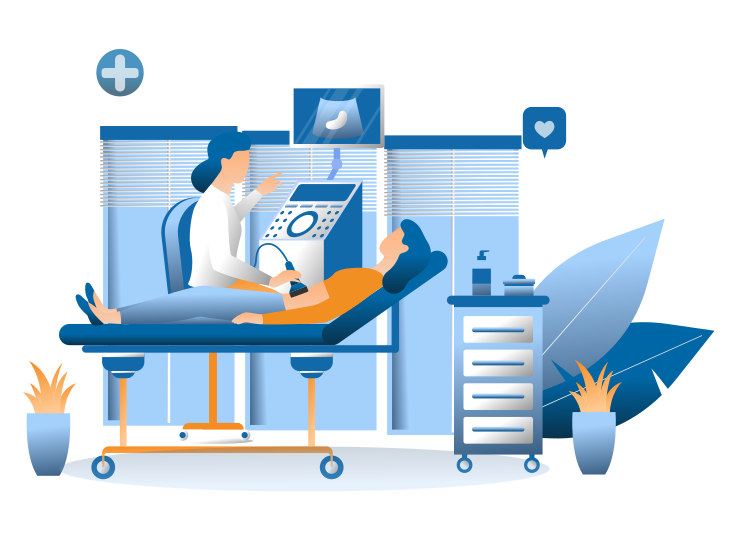
If you’ve been told you need an ultrasound scan, your first reaction might be to feel a little nervous. That’s completely normal. Most people have heard the word ‘ultrasound’ but have very little idea of what actually happens during the procedure. The good news is — it’s one of the safest, most painless, and most commonly performed diagnostic tests in the world.
At Sono Diagnostics, we’ve been helping patients in Chennai understand and navigate their diagnostic journey since 1992. In this guide, we’re going to walk you through everything you need to know before, during, and after your ultrasound scan — so you can walk in feeling calm and confident.
What Is an Ultrasound Scan?
An ultrasound scan (also called sonography) is a medical imaging technique that uses high-frequency sound waves to create real-time images of the inside of your body. Unlike X-rays, it doesn’t use any radiation. Instead, a small device called a transducer sends sound waves into your body. When those waves hit your organs and tissues, they bounce back as echoes — and a computer translates those echoes into detailed images on a screen.
These images help doctors and radiologists identify conditions affecting your organs, blood vessels, muscles, and more. Ultrasound is safe, non-invasive, and usually takes less than 30 minutes.
Why Would a Doctor Refer You for an Ultrasound?
There are many reasons why your doctor might request an ultrasound scan. The most common include:
- To examine abdominal organs such as the liver, kidneys, gallbladder, pancreas, and spleen
- To monitor a pregnancy and check the health and development of a baby (Obstetric ultrasound)
- To evaluate gynaecological conditions such as ovarian cysts or uterine fibroids
- To investigate unexplained abdominal pain or swelling
- To assess blood flow in arteries and veins using Colour Doppler studies
- To examine the thyroid gland, testes, or breast tissue
- To check for kidney stones or bladder problems
- To guide procedures such as biopsies
If your doctor has given you a referral, there’s no need to panic. A referral for an ultrasound simply means your doctor wants a closer look — it doesn’t automatically mean something is seriously wrong.
Types of Ultrasound Scans You Might Be Referred For
Not all ultrasound scans are the same. At Sono Diagnostics, we perform a wide range of ultrasound-based diagnostic tests. Here’s a quick overview:
Abdominal Ultrasound
This is the most common type. It examines your upper abdominal organs — the liver, gallbladder, spleen, pancreas, and kidneys. It’s typically recommended when you have abdominal discomfort, jaundice, suspected gallstones, or abnormal liver function tests.
Obstetric Ultrasound (4D Scanning)
If you’re pregnant, ultrasound is used throughout your pregnancy to monitor your baby’s growth and development. At Sono Diagnostics, we offer 4D Obstetric scanning, which gives you a near-real-time moving image of your baby — a truly memorable experience for expectant parents.
Colour Doppler Ultrasound
A Colour Doppler scan evaluates blood flow through your arteries and veins. It’s commonly used for Carotid Doppler (neck arteries), Renal Doppler (kidney blood supply), Penile Doppler (vascular assessment), and AV Fistula mapping for renal failure patients.
Pelvic and Gynaecological Ultrasound
This scan examines the uterus, ovaries, and surrounding structures. It helps detect fibroids, ovarian cysts, polycystic ovary syndrome (PCOS), and other conditions affecting reproductive health.
Small Parts Ultrasound
This covers scans of smaller structures like the thyroid gland, testes (Scrotal Doppler), lymph nodes, and superficial soft tissue masses.
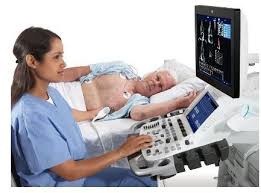
How to Prepare for Your Ultrasound Scan
Preparation depends on the type of scan you’re having. Here’s what you generally need to know:
For an Abdominal Ultrasound
You will typically be asked to fast (no food or water) for 4 to 6 hours before the scan. This is because eating causes the gallbladder to contract and produces gas in the intestines, which can obscure the images. Make sure you follow your specific instructions from the centre or your doctor.
For a Pelvic Ultrasound
You may be asked to arrive with a full bladder, as a full bladder pushes the intestines aside and gives the radiologist a clearer view of your pelvic organs. Drink around 4 to 6 glasses of water an hour before the appointment and try not to urinate before your scan.
For an Obstetric Ultrasound
In early pregnancy, you may also need a full bladder. Later in pregnancy, this is usually not required. Your referring doctor or the diagnostic centre will give you specific instructions.
For a Doppler or Small Parts Ultrasound
There is generally no specific preparation required. Just arrive on time for your appointment and wear comfortable, loose clothing that allows easy access to the area being scanned.
Pro tip: Always bring your doctor’s referral letter, any previous scan reports, and a valid photo ID to your appointment. This helps the radiologist understand your medical history and provide a more accurate report.
What Happens During the Ultrasound Scan — Step by Step
Here’s exactly what you can expect on the day of your scan:
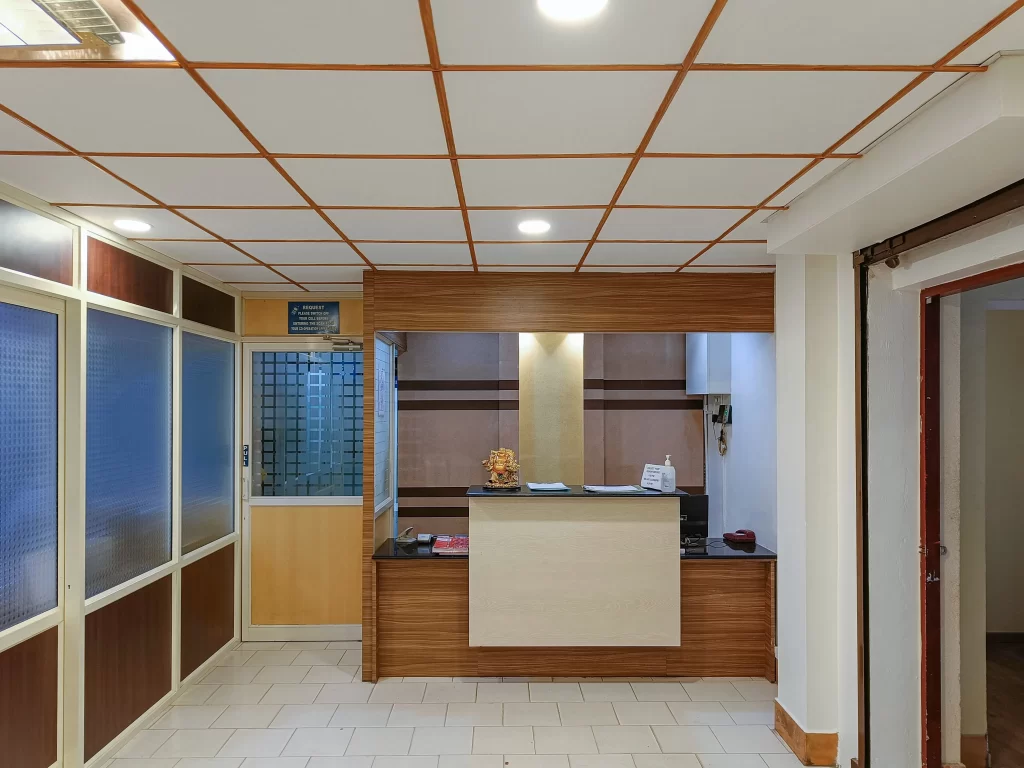
Step 1: Registration and Check-In
When you arrive at Sono Diagnostics, you’ll check in at the reception desk. You’ll be asked to hand in your referral and fill in a brief form with your personal details and the reason for the scan. Our staff will guide you through this process and let you know approximately how long your wait will be.
Step 2: Getting Comfortable
You’ll be called into the scan room and asked to lie down on a comfortable examination table. Depending on the area being scanned, you may need to expose that part of your body — for example, your abdomen for a tummy scan or your neck for a Carotid Doppler. A gown or drape will be provided where needed to maintain your privacy and comfort.
Step 3: The Gel Is Applied
The sonographer (the trained professional performing the scan) will apply a clear, water-based gel to your skin over the area being examined. Don’t be alarmed — this gel is completely harmless and is used to eliminate air pockets between the transducer and your skin, which would otherwise interfere with the sound waves. The gel can feel a little cold, but it won’t hurt.
Step 4: The Scan Begins
The sonographer will gently move the transducer (a small, handheld device) across your skin in slow, deliberate movements. You’ll see images appearing on the monitor in real time. In most cases, the procedure is completely painless. Occasionally, the sonographer may press a little more firmly to get a better image of deeper structures — you might feel some pressure, but this is not usually painful.
Step 5: The Radiologist Reviews the Images
At Sono Diagnostics, all scans are reviewed by highly experienced radiologists — including Dr. Sridhar, who has over 30 years of expertise in diagnostic imaging. The images captured during your scan are carefully analysed to produce an accurate and detailed report.
Step 6: Clean Up and Collection of Reports
Once the scan is complete, the gel is simply wiped off your skin. You can get dressed and wait for your report. Depending on the complexity of the scan, reports are typically ready within a few hours to one working day. For some scans, a preliminary verbal summary may be provided on the spot.
Is an Ultrasound Scan Safe?
Yes — absolutely. Ultrasound is considered one of the safest forms of medical imaging available. It does not use ionising radiation (unlike X-rays or CT scans), which makes it particularly safe for pregnant women, children, and patients who require repeated imaging.
Ultrasound has been used in clinical medicine for over 60 years with an excellent safety record. There are no known harmful effects when performed by a trained professional using appropriate settings.
How Long Does a Scan Take?
Most standard ultrasound scans take between 15 and 30 minutes. More complex studies such as Colour Doppler examinations, 4D Obstetric scans, or AV Mapping for renal failure patients may take slightly longer. If you are having multiple areas scanned in a single session, allow a little extra time.
For specialised scans such as ECHO, EEG, and TMT (Treadmill Test), Sono Diagnostics operates on an appointment basis. You can call ahead or contact us to schedule your preferred time slot.
What Do the Results Mean?
The ultrasound images are interpreted by our radiologists, who will prepare a written report explaining their findings. This report is then sent to your referring doctor, who will discuss the results with you and recommend any necessary next steps.
Keep in mind that the radiologist’s report describes what they observed in the images — it is your treating doctor’s job to put those findings in the context of your overall health, symptoms, and medical history. If you have questions about your report, always speak with your referring doctor first.
Common Questions First-Time Patients Ask
Will it hurt?
No. A standard ultrasound scan is painless. You may feel slight pressure as the sonographer moves the transducer, but there is no cutting, injection, or discomfort involved in a typical scan.
Can I eat and drink before my scan?
It depends on the type of scan. For abdominal scans, you’ll need to fast. For pelvic or obstetric scans, you may need a full bladder. Always follow the instructions given to you at the time of booking.
Can I bring someone with me?
Yes. Especially for obstetric scans, many patients like to bring a partner or family member. Please check with the reception staff at Sono Diagnostics, as there may be limited space in the scan room.
How soon will I get my results?
In most cases, your report will be ready within the same day or the following working day. Urgent reports can often be prioritised — just let the reception team know when you check in.
Book Your Ultrasound Scan at Sono Diagnostics, Chennai
At Sono Diagnostics, we’ve been providing quality diagnostic care to the people of Chennai for over 30 years. Our state-of-the-art machines, experienced radiologists, and caring support staff ensure that every patient feels welcome, informed, and well looked after.
Whether you need a routine abdominal scan, a 4D obstetric scan, a Colour Doppler study, or any other diagnostic test, we’re here to help. All our test samples are sent for external quality control to CMC Vellore and AIIMS New Delhi — because your health deserves nothing less than the best.
Visit us at: No: 76 (Old No: 143), Greams Road, Opp. BSNL Teleshoppe, Chennai – 600 006.
Call us on: 09840343911 | 044-4213 2206 | 044-2829 0633
Working Hours: Monday to Saturday, 7:30 AM – 4:30 PM (Scanning: 9:00 AM – 3:00 PM, by appointment)
Don’t let uncertainty stop you from taking care of your health. Book your scan today — we’ll take care of the rest.